
The new ‘Less Healthy Food’ ad rules: what you need to know for 2026
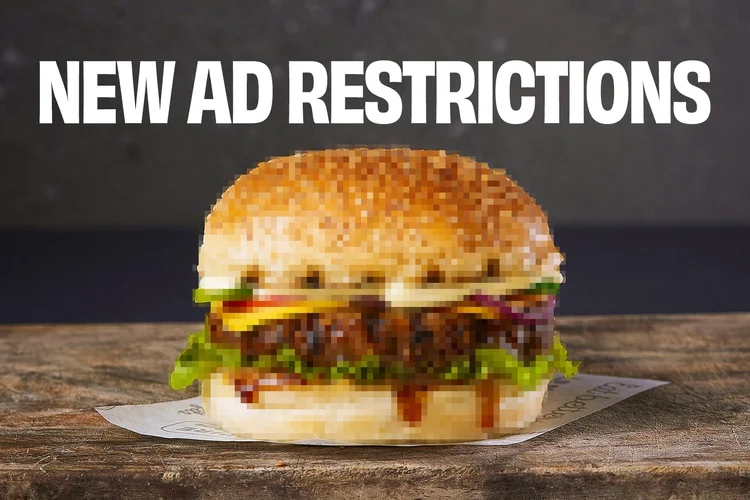
On 5th January 2026, a major shift hits the UK advertising ecosystem: the ‘Less Healthy Food & Drink (LHF)’ restrictions finally come into full force.
If you work in food, drink, retail, hospitality, QSR, delivery, or anything faintly resembling a snack… don’t panic! There’ll certainly be some adjustments to make, but these rules don’t have to completely throttle your brand creativity.
The sector has been stress-testing the rules since October 2025 under a voluntary compliance period, and the Advertising Standards Authority (ASA) have now released full guidance.
There’s a lot more clarity, but also some lingering grey areas (especially around influencers, everyone’s favourite topic…), so let’s break it down.

Why this is happening (and why it matters for your ads)
The UK government’s aim is simple enough: reduce children’s exposure to ads for products high in fat, salt, and sugar (HFSS).
The ambition? To raise “the healthiest generation of children ever.” So there’s an admirable public health spirit behind the new rules.
The restrictions apply to:
TV ads, from 5pm to 9pm
On-demand programming (e.g. catch-up or streaming platforms) from 5:30pm to 9pm
Online paid media at any time, where content is intended (or likely) to be seen primarily by UK users
That means paid search, paid social, performance advertising, influencer placements, paid listings on delivery platforms… they’re all affected by the new ‘Less Healthy Food’ ad restrictions.
So the question the hospitality sector now faces is: how do you keep selling, scaling, and building brand equity when you can’t show the product?
The big opportunity: the Brand Ad Exemption
This is the hero clause our industry fought for!
You can advertise a brand, without showing a specific HFSS product.
An ad is is exempt if:
It doesn’t depict a specific ‘less healthy’ product
It doesn’t use cues that clearly point to one specific product
Logos, colours, and characters don’t represent ‘less healthy’ foods in any way
Imagery is stylised, generic, and not visually identical to the product itself
In other words: you can flex your identity; you just can’t show the burger dripping cheese in slow-motion and call it “brand storytelling”.
And for brands with healthier versions of ‘less healthy’ products, those will likely be allowed to appear in ads. Reformulation suddenly has a direct commercial incentive.
The identifiability test (AKA: is it obvious what you’re selling?)
For an ad to be restricted, the ASA must reasonably believe that an average UK consumer could identify a specific ‘less healthy’ product from it.
So they will assess:
Visual cues
Text
Colour systems
Packaging silhouettes
Brand characters
Audio cues
Even music styles, if they’re uniquely tied to a specific product
If a normal person could say: “Oh, that’s definitely the salted caramel muffin,” time to get back to the drawing board.
If the average person says: “That’s the brand that makes snacks,” you’re probably safe.
This is where great brand strategy beats lazy retail creative. Brands that have strong identities (not just product close-ups) are about to win big.
So, what’s up with influencers?
Half the questions we’ve been getting since we started talking about these new rules at the start of 2025 have been about creators, and it’s easy to see why.
When influencer content is not restricted:
If you pay a creator and the content lives only on:
your own website
your own organic social channels
any non-paid placement you control
then you’re good.
WHERE influencer content is restricted:
If you:
pay a creator (gifted counts as paid payment) to create content
pay to place content on their channel
Where LHF product is identifiable, you’re breaching the new ad restrictions.
This includes affiliate arrangements where value changes hands.
What happens if someone complains?
The ASA has described their enforcement approach as structured, proportionate, and evidence-based.
Complaints might come from:
the public
competitors (yes, expect that…)
campaign groups
One well-founded complaint is enough to trigger an investigation.
And, because the ASA reverses the burden of proof, the advertiser must prove compliance.
This is where smart brands will win early. Aim to be able to show:
internal compliance checks
pre-clearance with CAP or Clearcast
documented reasoning
Safe zones and danger Zones: finding your creative playground
Safe zones:
Brand campaigns with no specific product
Stylised creative and abstract references
Visual worlds built from brand vibes
Narrative storytelling
Founder values, sustainability, sourcing stories
Product ranges without highlighting one SKU
Danger zones:
Pack shots
Identifiable product characters
Specific product music cues
Creative using colour blocking unique to one SKU
Paid influencer placements with the product visible
Paid listings on delivery platforms
What this means for creative performance marketers
This regulation is the end of lazy advertising, not the end of effective advertising.
The best brands will:
innovate their creative ideas
reformulate products faster
build campaigns around emotion, culture, and value systems
use data intelligently to track demand signals (without the close-up burger money shot)
It’s not about compliance for compliance’s sake. It’s about winning now, so you’re not rebuilding in a panic later.
Your competitors who wait until Q1 2026 will be writing risk memos instead of campaigns.
You can be the one writing the playbook, not following it.
Want help designing compliant campaigns that still perform?
This is literally what we do.
If you want strategic support building:
brand-first paid social that still drives sales
search campaigns without restricted creative
influencer frameworks that are compliant, confident, and scalable
creative testing plans that make 2026 your advantage
then, book a call with me and let’s talk about your specific challenges →
The latest insights on the digital landscape, direct to your inbox
Ad industry trends, social media headlines, and digital marketing guides and insights, direct from the Trapeze Media team.
Our emails are sent no more than four times each month. We respect your privacy.